There is a question we should often ask at the very beginning of a project that rarely appears on an architect's brief.
Not How many bedrooms do you need?
Not What's your budget?
Not even What style of house do you like?
Instead, begin by asking something much simpler.
"What does your perfect Sunday morning look like?"
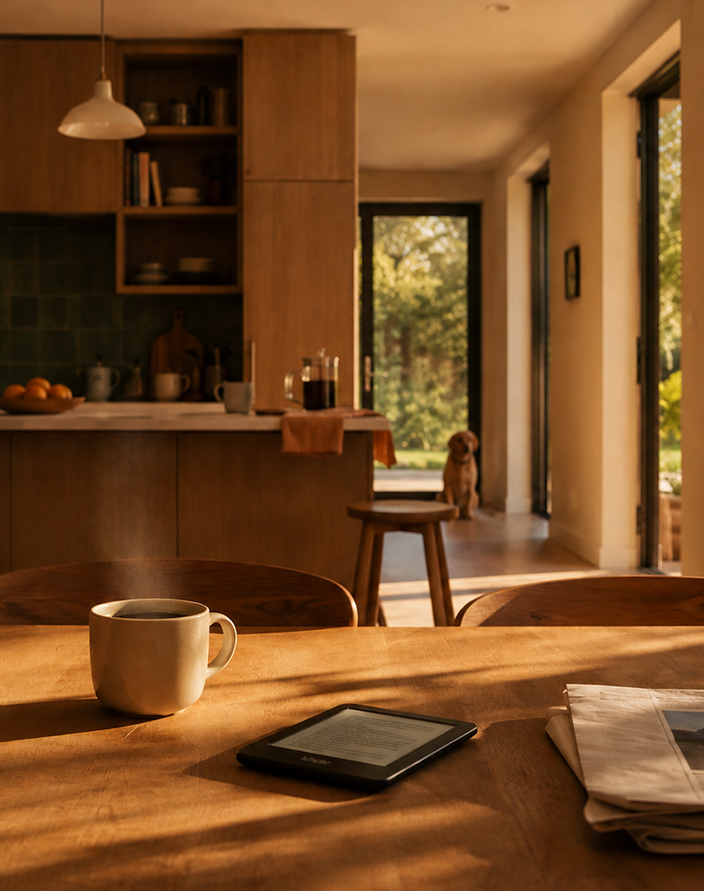
The answer is almost never about architecture. People don't talk about rooflights, polished concrete floors or bespoke joinery. They don't mention planning permission or building regulations. They certainly don't begin listing appliances or paint colours. Instead, they describe moments. A cup of coffee before anyone else wakes up. Sunlight reaching the end of the dining table. Children padding downstairs in their pyjamas. The dog waiting patiently by the back door. A newspaper spread across the kitchen island while breakfast quietly turns into lunch. These moments might seem insignificant, but they tell us almost everything we need to know about how a home should be designed.
Because architecture, at its best, isn't about creating beautiful buildings. It's about creating the setting for a life well lived.
The most successful homes are not remembered because the kitchen cost more than expected or because the staircase featured in a magazine. (Whilst every Architect and Interior Designer loves it when that happens!).They're remembered because they become part of family rituals. They quietly support everyday life without demanding attention, allowing ordinary moments to become the ones that stay with us long after the project is finished.
Perhaps nowhere is this more apparent than on a Sunday morning. Unlike the rest of the week, Sunday asks very little of us. There are no school runs, no hurried breakfasts eaten standing up, no race to find missing shoes before leaving the house. Time stretches a little further. We notice things we normally overlook. It's only then that a home reveals whether it has truly been designed around the people who live there.
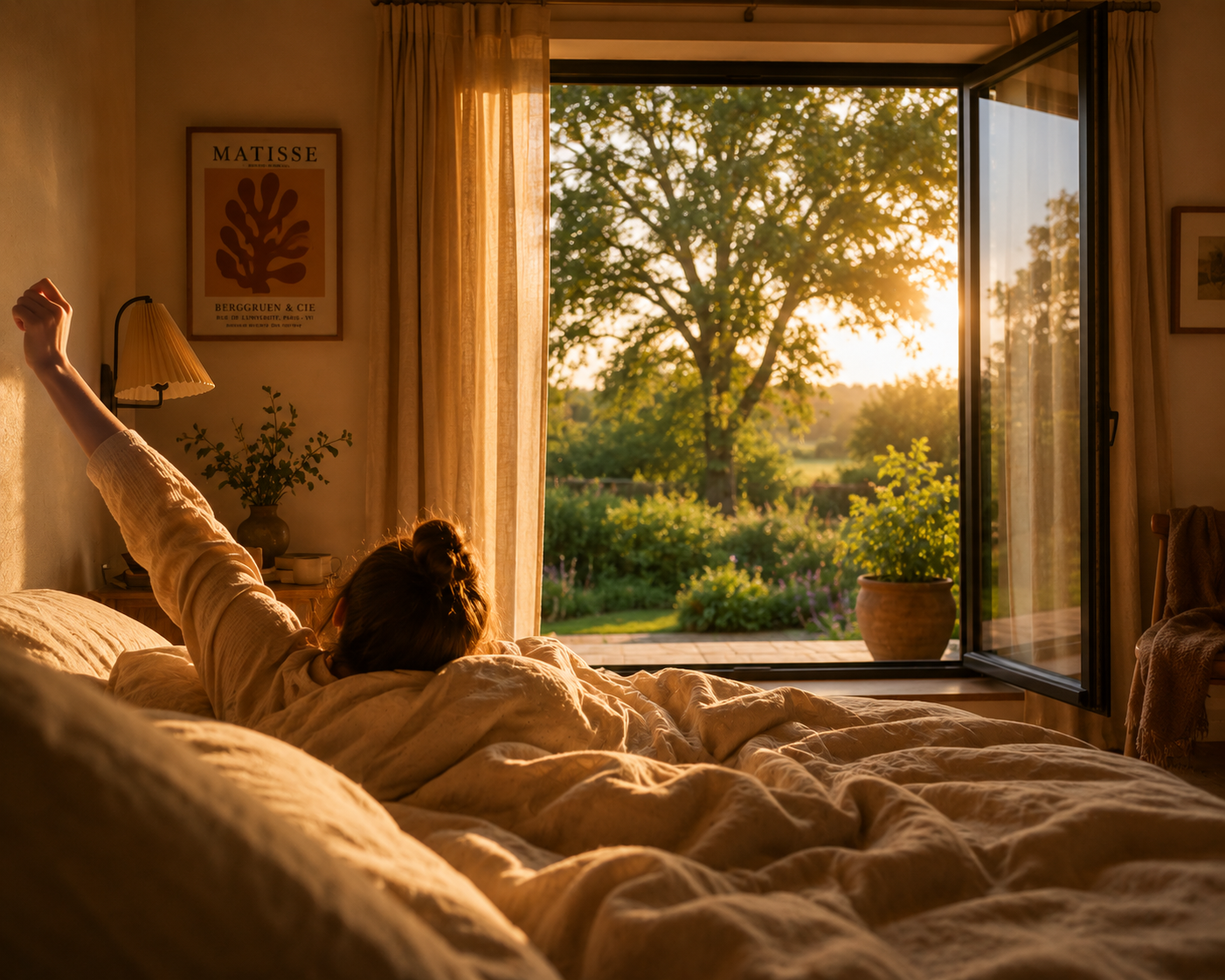
Before your feet touch the floor, the architecture has already begun to influence the day. A bedroom facing east welcomes the first light of morning, gently encouraging you awake without the interruption of an alarm. The quality of that light changes throughout the year, bringing the golden warmth of summer mornings or the softer, slower glow of winter. It isn't accidental. The orientation of a room, the size of a window and the way it frames the sky all shape how the day begins.
Natural light has long been recognised as one of the most powerful influences on our wellbeing. Research into circadian rhythms continues to demonstrate the importance of morning daylight in regulating sleep, improving mood and supporting overall health. Yet while the science is compelling, anyone who has spent a quiet morning in a sunlit room already knows the feeling instinctively. Some spaces simply make us feel better. There's an interesting article in the Harvard Medical Jounral about how to controls our body.
That is why we spend so much time thinking about light before we begin thinking about finishes. The first journey through the house is equally revealing.
The route from bedroom to kitchen is one of the most repeated journeys in any home, yet it is rarely considered when people imagine renovating. We tend to focus on destinations rather than the spaces between them.
A staircase flooded with natural light feels completely different from one enclosed by solid walls. A glimpse into the garden from the landing changes your perception of the entire house. A carefully placed window at the end of a corridor gives purpose to what might otherwise have been forgotten circulation space.
Architecture isn't simply about rooms. It's about movement.
Every threshold crossed, every view revealed and every change in light contributes to the experience of living in a house. By the time the kettle boils, the kitchen begins to earn its reputation as the heart of the home. This phrase is used so often that it risks becoming meaningless, but there is a reason it has endured. The kitchen is rarely just a place to cook. It becomes the backdrop to countless ordinary moments. Conversations begin there before breakfast. Homework migrates onto the dining table. Friends gather with glasses of wine while dinner is prepared. Birthdays start with candles on pancakes. Christmas begins with coffee before anyone opens presents.
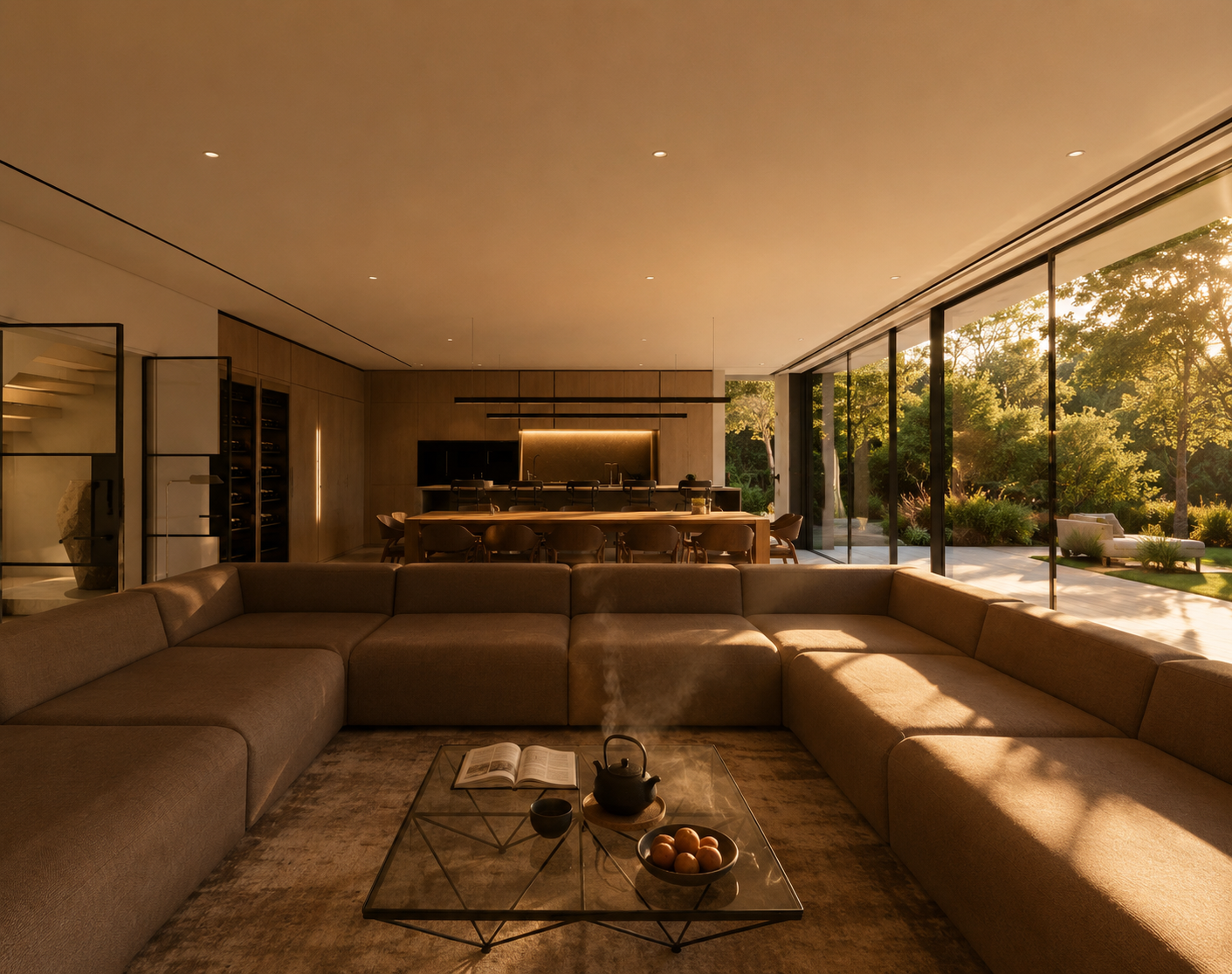
Good kitchens are designed for all of these things. Surprisingly, the best kitchen isn't always the largest one. We've seen modest spaces feel generous because every decision has been carefully considered, while expansive kitchens sometimes feel strangely disconnected from family life. The difference isn't usually one of size. It's one of relationships.
Can the person making coffee still speak to someone reading by the window?
Can children help prepare breakfast without getting in the way?
Can someone cooking still enjoy the view of the garden?
These are the questions that shape successful spaces far more than the choice between quartz and marble. Increasingly, our clients tell us they want homes that feel connected to nature. Sometimes they imagine large sliding doors opening onto a terrace. Sometimes they picture a kitchen garden filled with herbs. Others simply want to sit with a coffee and watch the changing weather. Whatever form it takes, the desire is remarkably consistent. We want to feel connected to the world beyond our walls. This relationship between architecture and landscape has become one of the defining ideas in contemporary residential design, but it isn't simply an aesthetic preference.
A growing body of research into biophilic design suggests that regular visual and physical connections with nature can reduce stress, improve concentration and contribute to our overall wellbeing. Even something as simple as framing a mature tree from a dining table or allowing fresh air to flow naturally through the house changes how a space feels. The garden becomes another room. Not because it has furniture. Because it becomes part of everyday life. Some of the most successful spaces we've designed are not the largest or the most expensive. They're the quiet corners. A window seat where afternoon light falls perfectly. A reading chair tucked beside a bookshelf. A bench overlooking the garden. These places rarely appear on wish lists during the first client meeting, yet they often become the most loved parts of the finished home. Perhaps this is because modern life leaves so little room for stillness.
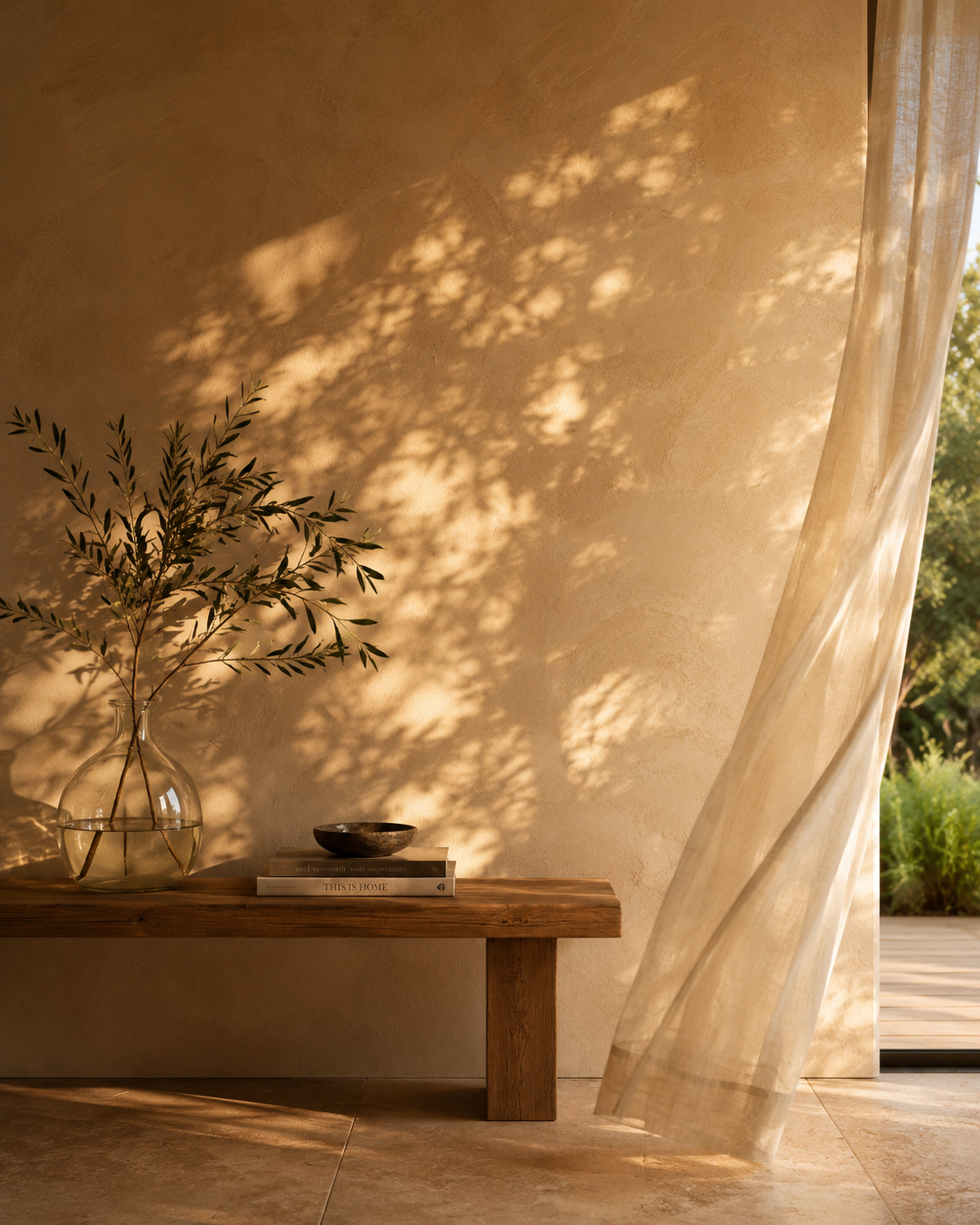
We have become remarkably good at designing houses for activity. Less often do we create spaces simply for being. Architecture has the ability to encourage us to pause. Not through grand gestures, but through small acts of generosity. That perfect, guilt-free moment of doing nothing is perfectly captured by the phrase "il dolce far niente" (or la dolce far niente), which translates to "the sweetness of doing nothing". It's an Italian philosophy of enjoying the sheer pleasure of idleness; like sipping a coffee, sunbathing, or just people-watching, without worrying about being productive.
A lower window sill that invites someone to sit. A deep reveal that catches the morning sun. A carefully framed view that changes with the seasons. These moments cannot be measured in square metres, yet they add immeasurably to the quality of daily life.
As architects, we often talk about proportion, materials and detailing. Clients rarely do. Instead, they tell us how they want their home to feel. Calm. Warm. Welcoming. Comfortable. Those emotions are created long before furniture arrives.
Materials play an important role. Timber softens a room in away that painted plaster never can. Natural stone develops character over decades rather than years. Lime plaster catches light differently throughout the day, giving walls a subtle depth that synthetic finishes struggle to replicate.
None of these choices are about fashion. They are about creating homes that improve with age.
The same can be said for sustainability. Too often, sustainable design is discussed only in terms of technology. Heat pumps, solar panels and insulation are undoubtedly important, but genuine sustainability begins with something far simpler. Designing homes people will love for generations. A house that adapts as families grow, welcomes changing routines and ages gracefully is, in many ways, the most sustainable building of all. Longevity is an environmental strategy as much as it is a design philosophy.
There is a tendency to think of luxury as something that can be purchased. Imported stone. Designer lighting. Statement furniture. Yet after years of designing homes, we've come to believe that true luxury is something altogether quieter. It's having sunlight exactly where you want it on a Sunday morning. It's hearing birdsong through an open window instead of traffic.
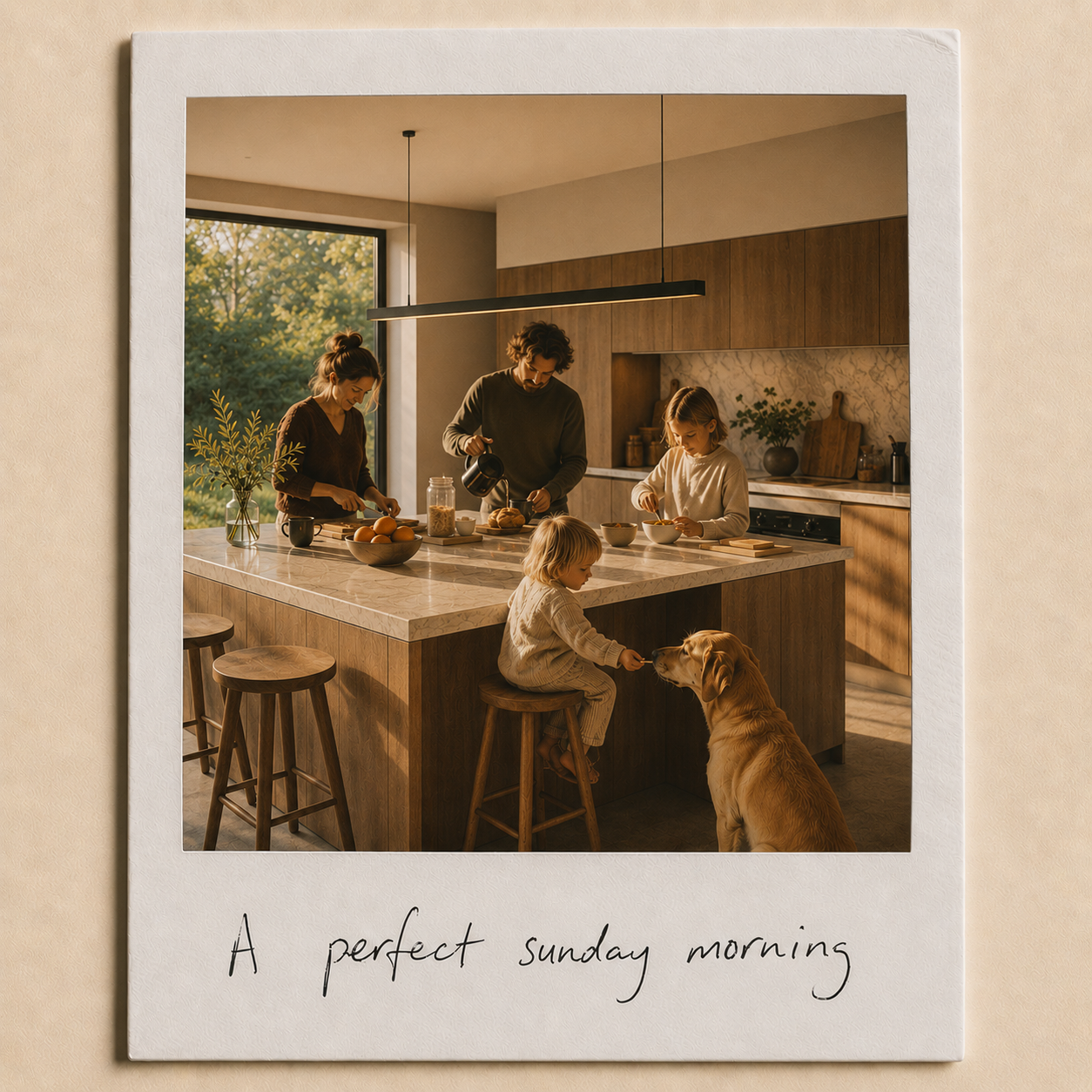
It's finding somewhere to sit with a book while the rest of the house slowly wakes. It's making breakfast without bumping into one another. It's opening the doors to the garden and feeling as though the boundaries between inside and outside have disappeared.
These experiences cost remarkably little compared to many of the finishes people become preoccupied with, yet they transform everyday life far more profoundly. Perhaps that is why the best homes never announce themselves. They simply work.
Visitors struggle to explain why they feel so comfortable. The rooms flow naturally. The light seems to arrive at exactly the right time. Conversations happen effortlessly. People stay longer than they intended. The building quietly fades into the background while life unfolds within it.
That, to us, is the measure of successful architecture. Not whether a project wins awards. Not whether it appears in glossy magazines. But whether, years after completion, a family still loves waking up there on a Sunday morning. Because buildings are never really about bricks, timber or concrete.
They are about mornings.
About conversations over coffee.
About muddy footprints coming in from the garden.
About children growing taller against the same kitchen wall.
About quiet moments before the day begins.
Those are the memories architecture holds. They are also the reason we should be asking that simple question at the beginning of every project.
"What does your perfect Sunday morning look like?"
Somewhere within the answer lies the home we are about to design.
What does your perfect Sunday morning look like?
Every project begins with a conversation, not just about budgets or floor plans, but about how you want to live. If you're planning to transform your home, we'd love to hear your story and help you design a home that supports the moments that matter most.
Contact us today to begin your dream home journey with our team!
